Despite being banned in modern construction, asbestos can still be found in many older buildings throughout Morley, West Yorkshire. During much of the twentieth century, builders relied heavily on asbestos because it strengthened materials and improved resistance to heat and fire. These properties made asbestos a popular component in insulation products, cement sheets, flooring materials, and fireproof coatings.
Although asbestos was once considered an effective building material, medical research later revealed that asbestos fibres can pose serious health risks when inhaled. As a result, strict regulations were introduced in the United Kingdom to limit and eventually ban the use of asbestos in construction.
However, numerous buildings constructed before these regulations were introduced may still contain asbestos-based Asbestos Management Survey Leeds materials. Properties built before the year 2000 are particularly likely to include asbestos components somewhere within their structure.
While the presence of asbestos does not always mean a building is unsafe, problems can occur when these materials deteriorate or are disturbed. Activities such as drilling, cutting, sanding, or removing building materials can release microscopic asbestos fibres into the air.
These fibres are extremely small and may remain airborne for long periods. If inhaled, asbestos fibres can remain trapped in the lungs and may contribute to serious illnesses such as asbestosis, lung cancer, and mesothelioma.
For property managers and landlords, understanding where asbestos may appear is essential for maintaining safe buildings. Insulation systems, older flooring materials, ceiling coatings, and roofing sheets are among the most common locations where asbestos may be present.
Recognising these materials helps property owners plan maintenance work responsibly and prevent accidental exposure. By working with professional asbestos surveyors and following appropriate safety procedures, building managers can reduce risks and ensure their properties remain safe for occupants.
Safe Handling of Asbestos in Older Structures
Older structures require careful management when asbestos materials are present. Many buildings constructed during the twentieth century contain products that were manufactured with asbestos fibres.
In many cases, asbestos materials can remain stable and safe as long as they are not disturbed. However, if the materials become damaged or are disturbed during building work, asbestos fibres may be released into the surrounding environment.
Before starting any renovation, repair, or refurbishment work, property owners should arrange for an asbestos inspection to identify potential hazards. An asbestos management survey conducted by trained professionals is the most reliable method of identifying asbestos-containing materials.
If asbestos materials are found during the inspection, they should not be disturbed unnecessarily. In many cases, the Asbestos Testing Morley safest approach is to leave the materials in place and monitor their condition regularly.
If removal or repair becomes necessary, the work should only be carried out by licensed professionals who are trained to manage asbestos safely.
Licensed asbestos contractors follow strict safety procedures when handling asbestos materials. These procedures often include sealing the work area, using specialised ventilation systems, and safely containing any asbestos waste generated during the process.
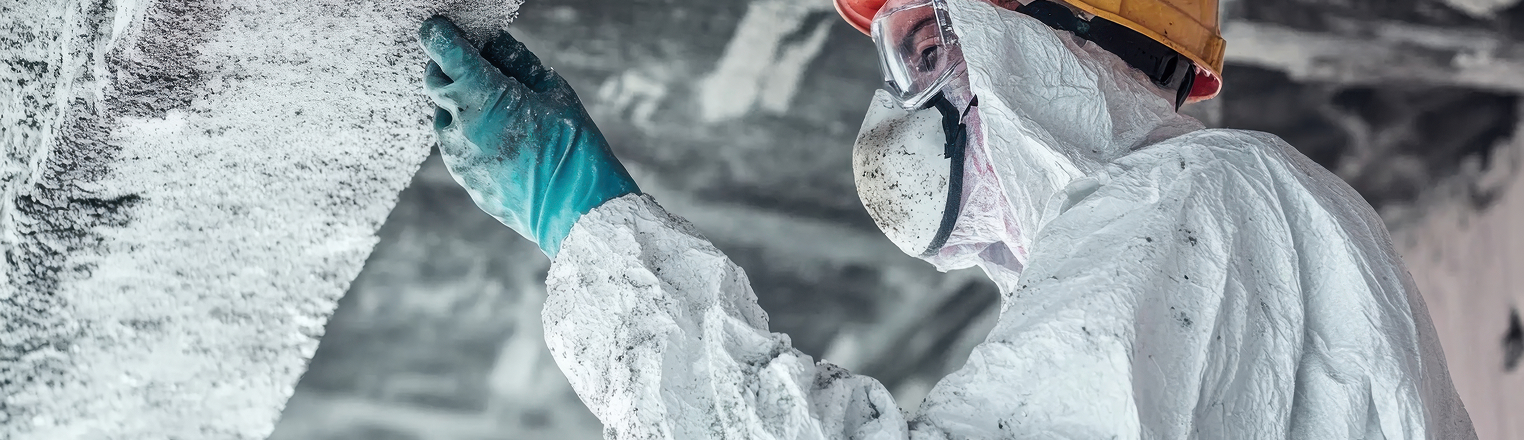
Personal protective equipment such as respirators, gloves, and protective clothing helps reduce exposure during inspections or maintenance activities in areas where asbestos may be present.
Workers who perform maintenance or renovation tasks should also receive asbestos awareness training. This training helps them recognise potential asbestos materials and follow established safety procedures when working near them.
By prioritising safety, following regulatory guidelines, and seeking professional assistance when necessary, property owners can reduce the dangers associated with asbestos exposure in older buildings.
Identifying Asbestos Insulation in Morley
Insulation products installed around pipes, boilers, and heating systems may contain asbestos fibres. In older buildings, asbestos insulation was frequently used to improve energy efficiency and reduce fire risks.
These insulation materials were commonly installed in mechanical service areas, basements, and boiler rooms where high temperatures were present.
Asbestos insulation often appears fibrous and may be wrapped around mechanical equipment such as pipes or ventilation ducts. In other cases, it may appear as rigid insulation boards installed within walls or ceilings.
The age of the building can provide helpful clues about whether asbestos insulation may be present. Buildings constructed before modern asbestos regulations are more likely to contain these materials.
However, visual inspection alone cannot confirm whether a material contains asbestos fibres. Many insulation products may appear similar but contain different materials.
Laboratory testing is required for accurate identification. Certified asbestos surveyors can safely collect small samples of suspected materials and submit them to accredited laboratories for analysis.
The results of this testing confirm whether asbestos fibres are present and identify the type of asbestos material involved.
Once the results are available, property owners can determine whether the material requires monitoring, encapsulation, or removal. Professional guidance ensures that the correct management strategy is chosen.
Spotting Asbestos in Flooring
Asbestos Survey MorleyMany older flooring products were manufactured with asbestos fibres. These materials were commonly used in residential and commercial properties because they were durable and resistant to wear.
Asbestos floor tiles were often produced in square shapes and could appear in a wide variety of colours and patterns. These tiles were frequently installed in kitchens, hallways, offices, and industrial facilities.
In addition to the tiles themselves, the adhesive used beneath the flooring may also contain asbestos materials. Even when the surface tile appears harmless, the underlying adhesive layer may still include asbestos fibres.
If flooring materials become damaged, cracked, or worn, fibres could be released into the air when the material is disturbed. Renovation activities such as sanding or removing flooring can increase the risk of fibre exposure.
For this reason, suspected asbestos flooring should always be tested by professionals before any removal work begins. Attempting to remove these materials without proper precautions may create unnecessary health risks.
Qualified asbestos specialists can collect samples and perform laboratory testing to confirm whether asbestos is present. Based on the results, they can recommend appropriate management options such as sealing the flooring, monitoring its condition, or arranging safe removal.
What Are the Risks of Asbestos Roofing?
Asbestos cement roofing sheets were commonly used in older buildings throughout Morley and the wider West Yorkshire area. These materials were particularly popular for garages, industrial buildings, agricultural structures, and storage facilities.
Asbestos cement roofing combined cement with asbestos fibres to create strong, weather-resistant sheets. These materials were valued because they provided durability while also offering resistance to fire.
Although asbestos roofing materials can remain stable for many years, long-term exposure to weather conditions can gradually weaken them. Rain, wind, and temperature changes may cause the sheets to deteriorate or crack over time.
If the roofing material becomes damaged or is disturbed during maintenance work, asbestos fibres may be released into the air.
Inhaling these fibres can lead to serious health conditions, particularly when exposure occurs repeatedly over extended periods.
Regular inspections help property owners monitor the condition of roofing materials and detect early signs of deterioration. If asbestos roofing materials are found to be deteriorating, professional advice should be sought before any repair work begins.
Professional contractors trained in asbestos safety procedures should handle repairs or removal when asbestos roofing is present. These specialists use controlled techniques that minimise the risk of fibre release while ensuring that the work is completed safely.
By conducting regular inspections and following professional guidance, property owners can manage asbestos roofing materials responsibly and maintain safer buildings for occupants.
Squared Circle Environmental Safety
The Safety House, Ackroyd St,
Morley, Leeds
LS27 8PZ
+44 333 242 7700
Need an asbestos survey in Morley? Contact Squared Circle Environmental Safety today for reliable inspections and expert asbestos management services!